
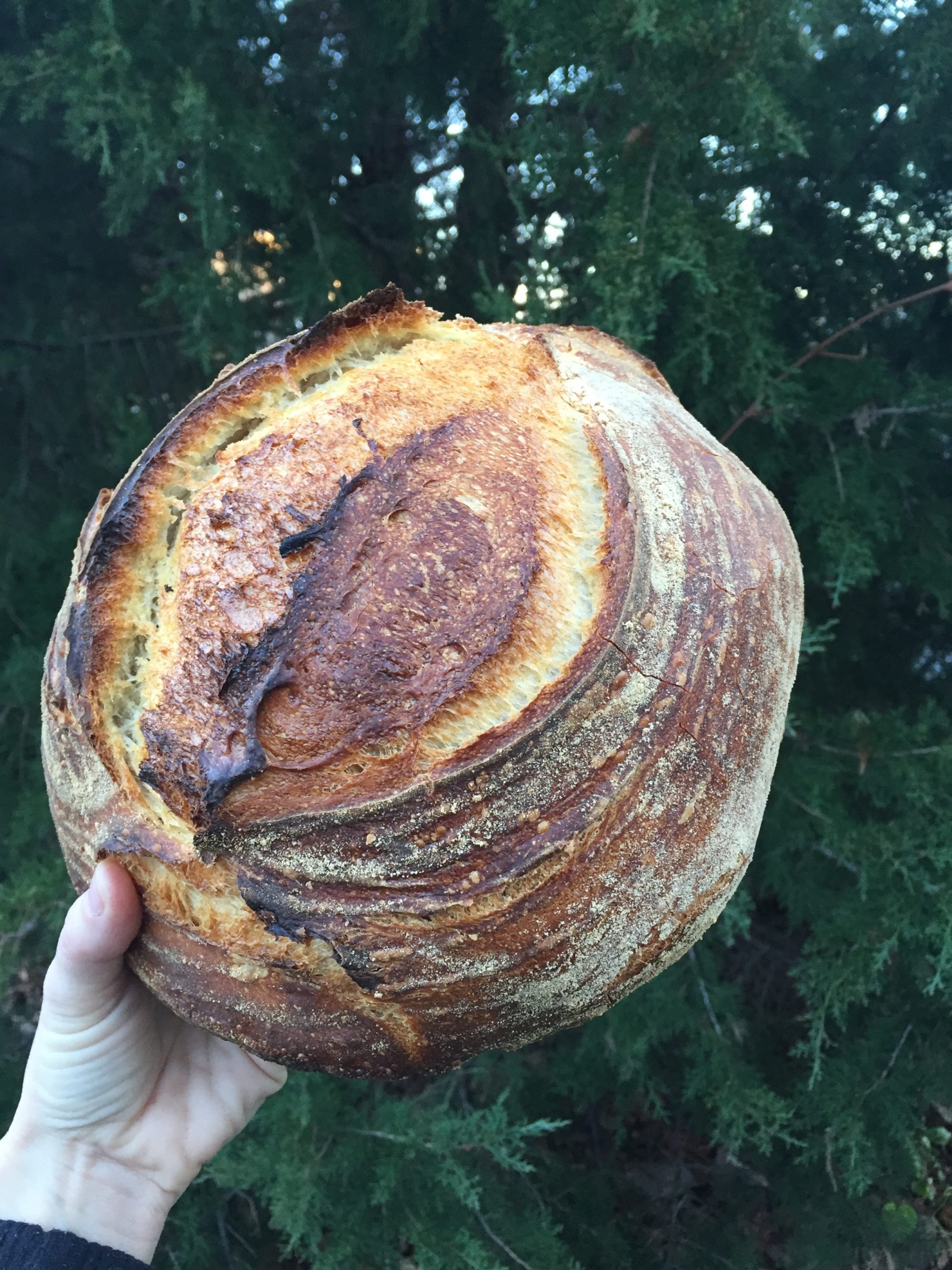
The Science of Stale Bread
We’ve all been there — you buy a fresh loaf, and by day two, it’s already turning into a rock. But why does this happen?
Bread stales because of a process called retrogradation, where starch molecules in the bread recrystallize after baking. This happens fastest at fridge temperatures (around 4°C), which is why refrigerating bread makes it go stale faster than leaving it out. Humidity and air exposure speed up the process too.
5 Ways to Keep Bread Fresh Longer
1. The Bread Box Method (Best for 3-4 Days)
- Store bread in a ceramic or wooden bread box — these materials regulate humidity.
- Avoid plastic bags here (traps moisture = mold risk).
- Why it works: Maintains the ideal balance of airflow and moisture.
2. The Paper Bag Trick (For Crusty Breads)
- Baguettes and sourdough stay crispier longer in a paper bag (not plastic!).
- Fold the top to limit air exposure.
- Pro tip: Refresh in the oven at 180°C for 5 minutes if it softens.
3. Freeze Like a Pro (Weeks of Freshness)
- Slice the loaf first, then freeze slices in a ziplock bag with parchment paper between them.
- Toast straight from frozen — no thawing needed.
- Why it works: Freezing pauses retrogradation completely.
4. The Apple Slice Hack (For Homemade Bread)
- Add a slice of apple to the bread bag.
- Replace every 2 days to prevent mold.
- Science bit: The apple releases moisture, keeping bread soft.
5. Avoid the Fridge (Unless It’s Humid)
- Only refrigerate if you live in a tropical climate (to prevent mold).
- For everyone else: room temperature + airtight container is king.
Common Mistakes to Avoid
- Squeezing air out of plastic bags: Creates condensation = soggy bread.
- Storing near heat sources: Like your oven or sunlight — dries bread out faster.
- Buying pre-sliced loaves: More surface area = faster staling.
Final Tip: Revive Stale Bread
If your bread is already hard:
- Sprinkle water on the crust.
- Wrap in foil.
- Bake at 160°C for 10 minutes.
It won’t be perfect, but it’ll save your sandwich!
