
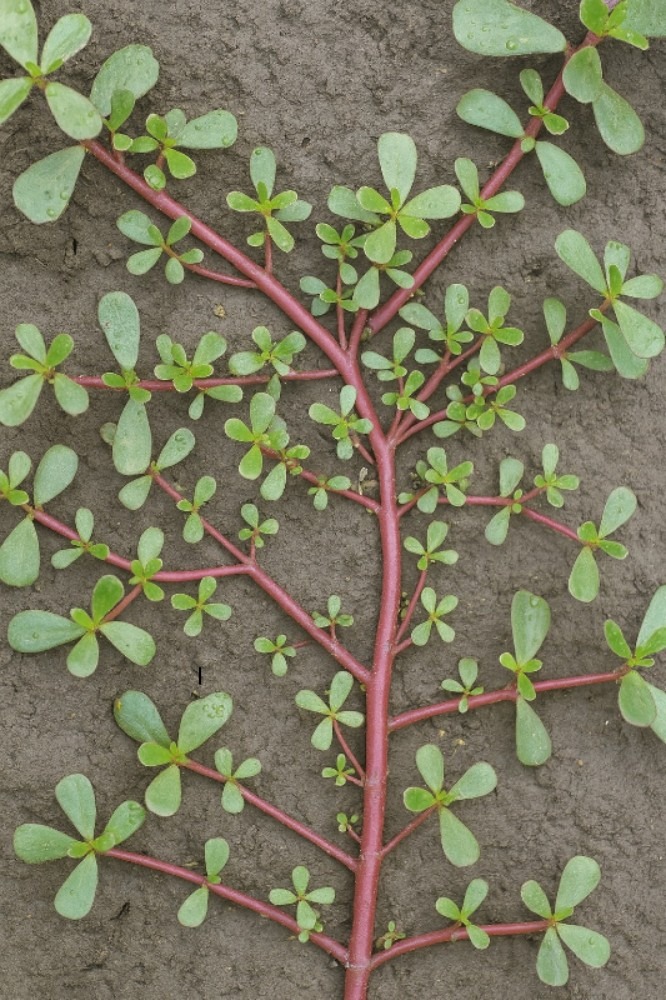
🌱 3. Thrives in Poor Soil
No need for rich soil—purslane grows well even in poor, unfertilized earth. In fact, too much fertilizer might hinder its blooms, making it ideal for less fertile areas.
🌼 4. Colorful Ground Cover
Purslane spreads quickly and beautifully, forming colorful ground carpets. It’s perfect for filling in empty patches or brightening up borders.
🥗 5. Nutrient-Rich Food
This plant is not only edible but highly nutritious. Its leaves and flowers are rich in:
-
Vitamin A
-
Vitamin C
-
Antioxidants
Use it in salads, sandwiches, or cooked dishes for a healthy twist.
🍃 6. Health Benefits
Traditionally, purslane has been used to support:
-
Digestive health
-
Inflammation relief
-
Skin conditions
Though not a replacement for medical treatment, it can complement a nutrient-rich diet.
🌿 7. Easy to Cultivate
🌿 7. Easy to Cultivate
Purslane requires:
-
Minimal maintenance
-
Proper drainage
-
Avoiding overwatering
It can be grown in both pots and open soil, making it accessible for all types of gardeners.
💪 8. Boosts Biodiversity
By attracting pollinators and thriving in less fertile soil, purslane helps improve soil quality and supports a healthier, more diverse garden ecosystem.
✅ Conclusion
Rather than pulling it out, consider keeping purslane as a functional and beautiful part of your garden. It’s easy to grow, environmentally friendly, and beneficial to both health and landscape.
